Industrial Touch Screen Supplier Evaluation Guide

Industrial Touch Screen Supplier Evaluation Guide

Industrial Touch Screen Supplier Evaluation Guide

Whether you are shortlisting industrial touch screen manufacturers or narrowing down industrial touch panel manufacturers, a quote only becomes comparable once you know which layer of the stack that supplier actually builds. This guide turns that question into a working method: the three component tiers, four supplier profiles, a nine-point capability scorecard, a twelve-field RFQ and the acceptance tests to run before mass production. Every criterion is answered in line with the 18.5-inch frame-bonded module, product no. EG-18.5-A-1609V1-QTCTP-A.

large multi touch display
3 Component tiers to identify before you accept a quotation
4 Supplier profiles compared on capability, MOQ and failure mode
12 RFQ fields that make incoming quotes apples-to-apples

Panel, Module, or Complete HMI?

Most quotation confusion starts here. "Touch screen" and "touch panel" are used interchangeably in conversation but describe different levels of build. Decide which tier you are buying before you compare prices, because the same drawing can price out very differently depending on what is included.

TIER 01

Touch panel — the sensing layer only

Cover glass or substrate plus the sensor pattern and its flex tail. No LCD, no backlight, no controller logic.

  • Lowest unit price, highest integration load
  • You own bonding, calibration and firmware tuning
  • Suits teams that already build their own assemblies

TIER 02

Touch screen module — panel bonded to display and controller

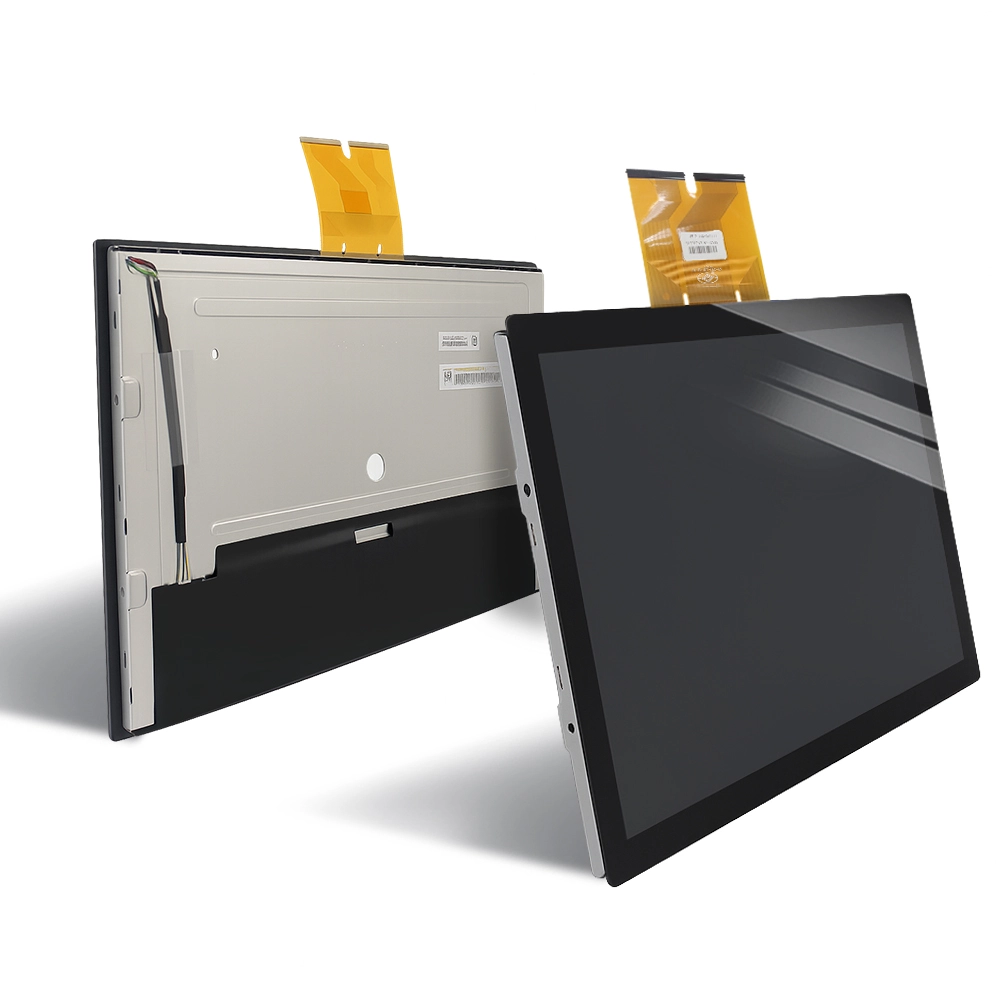
The part most industrial buyers actually purchase. The 18.5-inch unit on this page is a module: capacitive PCAP multi-touch panel, EETI controller, tempered cover glass of at least 2 mm, and frame bonding to the display assembly.

  • Mounts into an enclosure as one tested assembly
  • Bonding method and controller are part of the quoted scope
  • Interface risk sits with one supplier

TIER 03

Complete HMI and panel PC

Module plus housing, host compute, power and I/O, delivered as a finished control face.

  • Lowest engineering load, highest unit price
  • Slowest to change once tooling exists
  • Best when the enclosure is not your core competence

The buyer decision: write the tier into the RFQ title — for example "18.5-inch frame-bonded capacitive touch module, PCAP, EETI controller" — and every supplier answers the same question. Leave the tier open and you will receive a sensing-layer price next to a finished-HMI price, and the comparison collapses.

The 18.5-Inch Frame-Bonded Module as the Worked Example

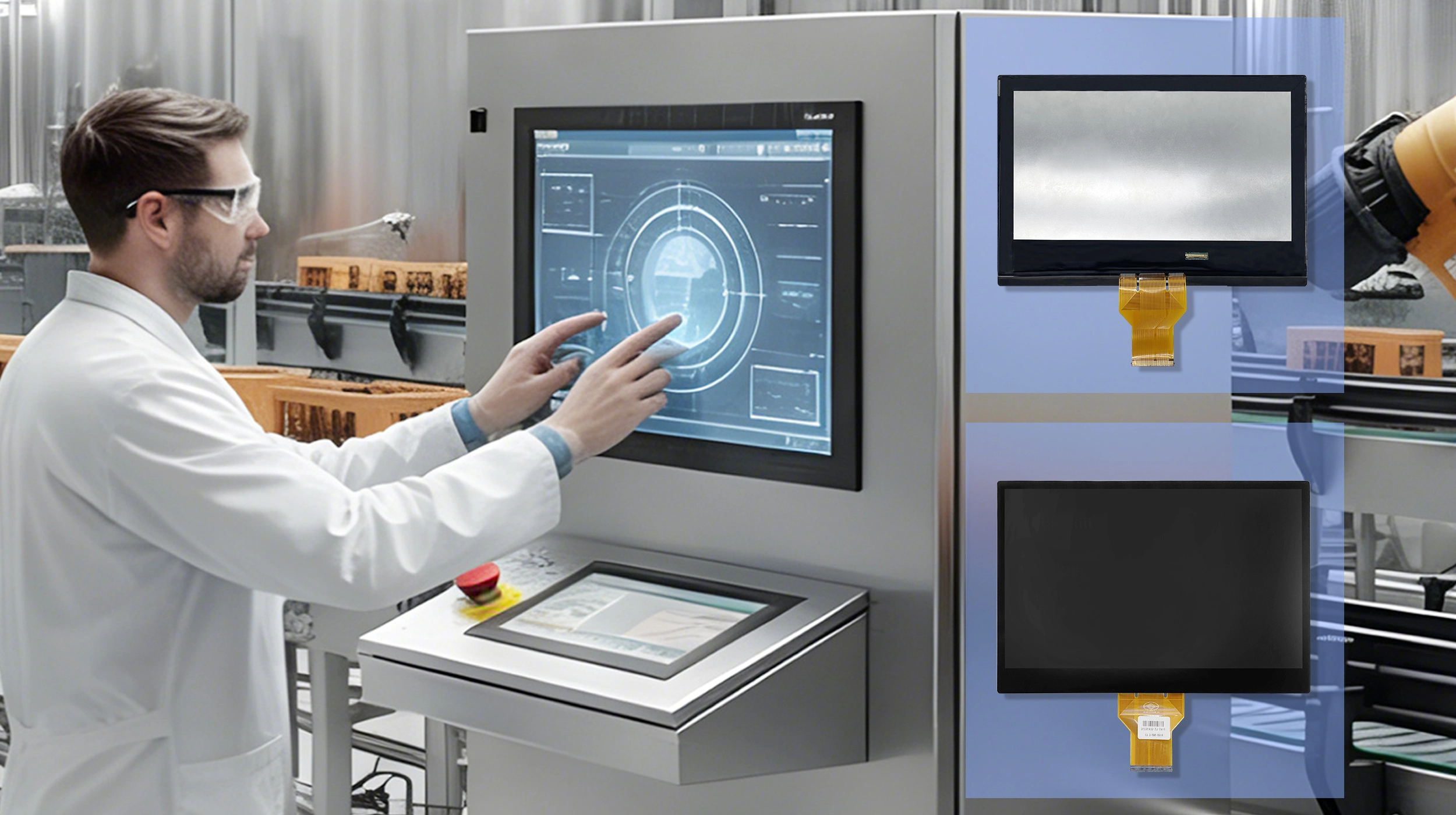
Everything below is the published detail for EG-18.5-A-1609V1-QTCTP-A — a capacitive PCAP industrial touch screen monitor built for robot teaching, debugging and parameter input, automation panels and control interfaces in harsh manufacturing conditions. Use it as the benchmark answer when you score another supplier.

ips multi-touch display

Frame bonding, tempered front glass, EETI controller

Frame bonding uses edge adhesion without affecting maintenance, which makes it suitable for mass assembly of industrial equipment. Full optical bonding is also available for the same module.

Published specifications — EG-18.5-A-1609V1-QTCTP-A
Screen size18.5 inch
Product No.EG-18.5-A-1609V1-QTCTP-A
Touch technologyCapacitive / PCAP, multiple touch points
ControllerEETI
Front panel ratingIP65
Response time≤ 15 ms, no motion blur or touch interruption
Linearity error≤ 1.5%
Lamination structureFrame bonding or full optical bonding
Cover glassTempered glass ≥ 2 mm
Operating temperature-30°C to +70°C
Storage temperature-40°C to +85°C
Humidity5% RH to 95% RH, non-condensing
Touch lifetime≥ 50 million touches
Duty cycle7×24-hour continuous operation
Listed price$50.00

Four Supplier Types, Compared

The word "manufacturer" covers four very different businesses. Read the columns as four conversations, then check which one your current supplier actually is. The verdict row under each column is the short version for your sourcing note.

Criteria Trading company Panel fabricator Module integrator Full-stack manufacturer
What they control in-house Sales, documentation and shipping; the product itself is sourced Sensing glass, sensor patterning and the flex tail Bonding, controller tuning and display assembly Glass processing, bonding, controller integration, assembly and test under one quality system
Capability ceiling Limited to whatever a factory agrees to release Panel level; display integration usually sits elsewhere Module level; output depends on incoming panel quality Panel through finished module, including custom builds
MOQ behaviour Small quantities possible, but price resets every order Tooling-driven; quantities follow glass sheet economics Standard sizes mixable; custom glass adds tooling Volume bands, with tooling amortised across an annual quantity
Typical failure mode Spec drift between the sample and the shipment Works on the bench, drifts once enclosed Bonding or controller tuning varies lot to lot Capacity pressure at peak; book production slots in writing
Best-fit buyer Spares and one-off replacement units Teams that own module design and integration Projects needing a bonded module to a fixed mechanical drawing OEM and ODM programmes with an annual volume and a qualification path
Red flags during audit No named process owner — "we will ask the factory" Cannot show bonding or controller tuning capability No incoming panel inspection records Declines a written sample-to-production acceptance protocol
Verdict Right for spares, wrong for a qualified programme. A good partner if you own integration. Value sits in bonding and tuning quality. Match when you want one accountable owner from glass to shipped module.

The Nine-Point Capability Scorecard

Nine auditable criteria. For each one, ask the question, listen for the credible answer, then compare it with the answer this product line gives in line. A supplier who cannot answer three or more of these is a reseller, not a maker.

1. Size range

What to askWhich screen sizes are tooled in-house, and which are bought in?

Credible answerA named size list with the glass sizes they process themselves.

This lineAn 18.5-inch unit — confirm that your target size is tooled, not brokered.

2. Controller ecosystem

What to askWhich controller ICs are supported, and who tunes the firmware?

Credible answerA named controller family with tuning handled in-house.

This lineEETI controller, stated in the product title.

3. Bonding capability

What to askFrame bonding, full optical bonding, or both?

Credible answerBoth routes offered, each with a stated use case.

This lineFrame bonding uses edge adhesion without affecting maintenance and suits mass assembly of industrial equipment; full optical bonding is also available.

4. Environmental rating

What to askWhat is the front panel IP rating, and how is the seal tested?

Credible answerA stated rating tied to a described sealing method.

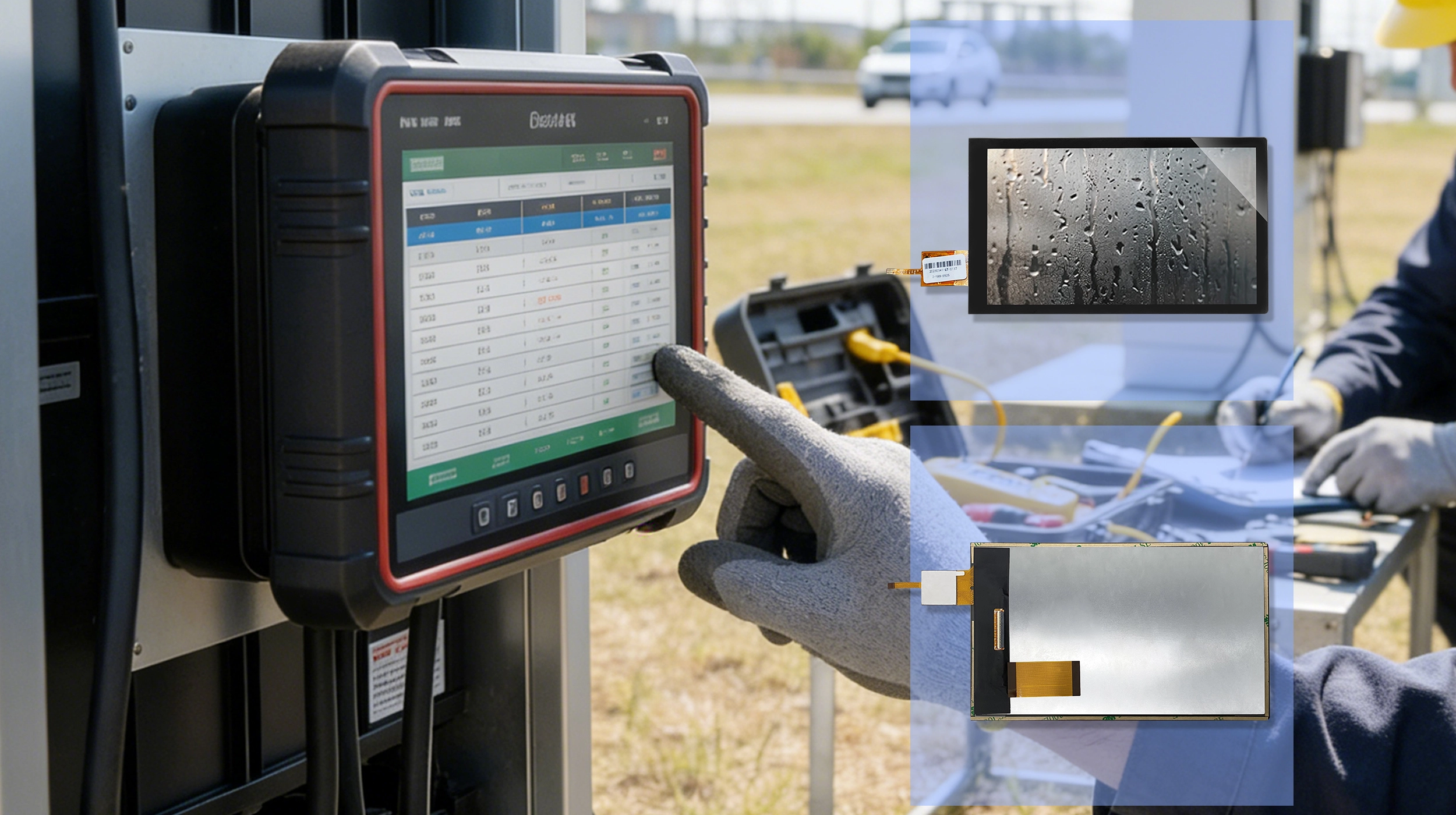
This lineIP65-rated front panel, giving dust and water resistance aligned with industrial standards.

5. Temperature envelope

What to askOperating and storage range, and drift behaviour at the extremes?

Credible answerSeparate operating and storage figures plus a drift statement.

This line-30°C to +70°C operating, -40°C to +85°C storage, 5% to 95% RH non-condensing, with no drift or ghost touches.

6. Glass type and thickness

What to askWhat cover glass is used, and what is the minimum thickness?

Credible answerA named glass type and a stated minimum thickness.

This lineTempered glass of at least 2 mm for impact resistance and protection against workshop collisions.

7. Lamination and QC

What to askWhere does bonding happen, and what is inspected afterwards?

Credible answerA named bonding line and documented post-bond inspection.

This lineBoth bonding routes are offered on this module, so bonding scope can be included in the quoted build.

8. Custom tooling

What to askWho owns the tooling, and how is it amortised?

Credible answerWritten tooling ownership and amortisation terms.

This lineAsk whether custom glass, housing and cut-out tooling is billed once or spread across the annual quantity.

9. Documentation and test reports

What to askWhich measurements ship with the units?

Credible answerResponse, linearity, life and vibration results on record.

This line≤ 15 ms response, ≤ 1.5% linearity error, ≥ 50 million touches, and vibration compliance aligned with robot body and control cabinet standards.

The Twelve-Field RFQ product format

Copy these fields into your enquiry. Every supplier then answers the same question set, and the returned prices cover the same build — which is the only way to compare unit costs honestly.

1. Screen size and active areaFixes the glass sheet and the tooling.
2. Resolution and aspect ratioState them separately and ask for a written figure.
3. Touch technology and touch pointsPCAP multi-touch is the common industrial baseline.
4. Controller family and interfaceNaming the controller stops firmware assumptions.
5. Bonding methodFrame or full optical — the two price very differently.
6. Front panel IP ratingIP65 is a stated rating on the reference module.
7. Operating and storage temperature-30°C to +70°C operating is the reference point.
8. Interface and cable definitionConnector type, length and routing are quoted scope.
9. Cover glass type and minimum thicknessTempered glass ≥ 2 mm on the reference module.
10. Touch lifetime and duty cycle≥ 50 million touches, 7×24 operation is the benchmark.
11. Certification and test reports requiredName the reports you must receive with each lot.
12. Annual quantity and target dateVolume band and delivery window set the price band.

Scenario to Specification: What to Fix First

Three common placements, each with the specification that decides whether the module survives there — and the decision you need to make before the RFQ goes out.

Robot teaching pendant and CNC console

Operators draw trajectories and enter parameters by hand, on a surface that also takes shop-floor knocks.

  • Linearity error ≤ 1.5% supports parameter input and trajectory drawing
  • Response ≤ 15 ms with no motion blur or touch interruption
  • Vibration compliance aligned with robot body and control cabinet standards
DecisionIf the cabinet is serviced regularly, specify frame bonding so edge adhesion keeps maintenance access, and lock in tempered glass of at least 2 mm.

Assembly line console under high ambient light

Glare and coolant spray are the two failure mechanisms here, not touch accuracy.

  • High brightness capacitive PCAP display for lit production areas
  • IP65-rated front panel for dust and water resistance
  • -30°C to +70°C operating range with no drift or ghost touches
DecisionAsk for a measured brightness figure in writing, because "high brightness" is a description and not a number, then judge the sample under your own lighting.

7×24 monitoring station

The screen runs continuously, so touch life and thermal headroom matter more than bezel styling.

  • ≥ 50 million touches for continuous operation
  • Stated for 7×24-hour continuous and stable operation
  • Humidity tolerance 5% to 95% RH, non-condensing
DecisionPut the duty cycle in the RFQ so the lifetime assumption is on record, and buy on touch life plus thermal envelope rather than on cosmetics.

What Actually Moves Cost and Lead Time

Five levers explain most of the gap between two quotations for the same nominal screen size.

Bonding method

Frame bonding is the lighter build; full optical bonding adds process steps and yield risk, which is why the two routes quote differently on the same panel.

Controller and firmware tuning

A named controller family means the tuning capability sits with the supplier — EETI is the controller on the reference module — and tuning labour is part of the build.

Cover glass specification

Thickness and tempering above the baseline raise both material cost and the risk of breakage in processing. Tempered glass of at least 2 mm is the reference point.

Tooling amortisation

Custom glass, housing and cut-out tooling is either billed once or spread across the annual quantity. Ask which, in writing, before the purchase order.

Volume band and schedule

Annual quantity sets the unit price band. Pilot and mass production runs compete for the same line, so the delivery window is a commercial term, not an afterthought.

Qualification Path: Sample, Pilot, Mass Production

Three gates, and a fixed list of measurements at each one. Run the tests on units taken from the production line, not on a hand-finished laboratory sample.

01

Sample

Check touch feel, glass quality and mechanical fit against your drawing. Confirm the bonding method and the controller actually used.

02

Pilot

Run the acceptance list below on pilot units. Record the results in a shared document so the numbers, not the impressions, decide the outcome.

03

Mass production

Freeze the drawing, the controller tuning and the report format. Any change after freezing restarts the pilot gate.

Acceptance tests to run on the quote-relevant numbers

  • Linearity error — hold at or below 1.5%
  • Response time — at or below 15 ms, with no motion blur or touch interruption
  • Temperature drift — sweep the operating range of -30°C to +70°C and check for ghost touches
  • Touch life — verify the ≥ 50 million touch claim on the delivered controller and firmware
  • Vibration and adhesion — function and bond integrity after exposure aligned with robot body and control cabinet standards
  • Front panel seal — confirm the IP65 rating on the finished, mounted assembly

Send Your Drawing and Get a Quote Against It

Share your screen size, bonding preference, environmental requirement and annual quantity. Custom configurations, OEM and ODM builds, tooling and bulk order pricing can all be quoted against the same document.

Related Reading

Three notes to help clarify product requirements before contacting the supplier.

Industrial Touch Screens for Robot Cabinets and CNC Consoles

Robot control cabinets and CNC consoles fail with ordinary consumer screens because size, sealing, brightness, and touch behavior must match the operator's real working conditions.

Read article

EETI Controllers in Noisy Industrial Capacitive Touch Screens

Noise from motors, drives, and cables reaches a capacitive touch sensor long before it reaches the controller, so the filtering chain decides whether touches stay stable.

Read article

How Optical Bonding Reduces Glare on Industrial Touch Screens

Optical bonding reduces glare by replacing the air gap in an industrial touch display with an adhesive layer that changes how light reflects inside the screen.

Read article

Frequently Asked Questions

what is the difference between a touch panel and a touch screen module?

a touch panel is the sensing layer: glass or substrate with the sensor pattern and its flex tail. a touch screen module adds the lcd, the bonding layer and the controller, so it is the part you can mount straight into an enclosure. the 18.5-inch unit here is a module — capacitive pcap multi-touch panel, eeti controller, tempered cover glass and either frame or full optical bonding.

why does the eeti controller matter to a buyer?

the controller is what turns a panel into a working interface. naming it means tuning responsibility is clear: this module states a response time of at most 15 ms and a linearity error of at most 1.5%, which is what parameter entry and trajectory drawing depend on. ask which controller family is used and where the firmware is tuned.

should i specify frame bonding or full optical bonding?

frame bonding uses edge adhesion without affecting maintenance, which suits mass assembly of industrial equipment where panels must be serviced. full optical bonding is also available on the same module. choose by service access and optical performance, and put the choice in the rfq so every quote covers the same build.

what environment can the 18.5-inch module handle?

an ip65-rated front panel gives dust and water resistance aligned with industrial standards. operating temperature is -30°c to +70°c and storage is -40°c to +85°c, with humidity tolerance from 5% to 95% rh non-condensing and no drift or ghost touches. vibration compliance is aligned with robot body and control cabinet standards.
how long will the touch surface last?

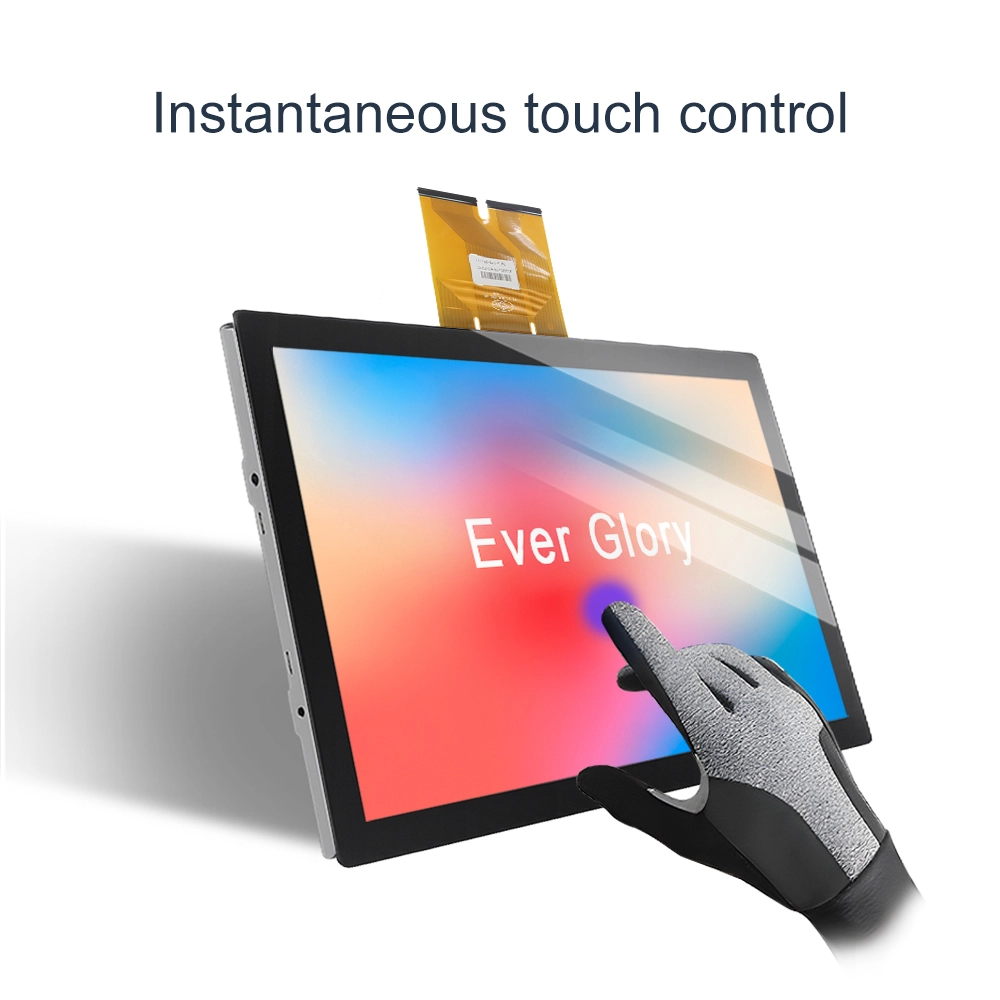
the module is rated at 50 million touches or more, stated for 7×24-hour continuous and stable operation. that figure depends on the delivered controller and firmware, so confirm it on pilot units rather than on the data sheet alone.

how do i get comparable quotes from several suppliers?

send the twelve-field rfq above — size, resolution, touch technology, controller, bonding method, ip rating, temperature range, interface, glass type, touch lifetime, required reports, and annual quantity with a target date. the listed price for the reference module is $50.00; request a quote against your own quantity band, then confirm the build on a sample before pilot production.

CONTACT US

If you have any queries, get in touch today! Don't hesitate. We try to take the extra step for our customer satisfaction.
Name *
Phone *
Email *
Company Name *
Application *
Message *